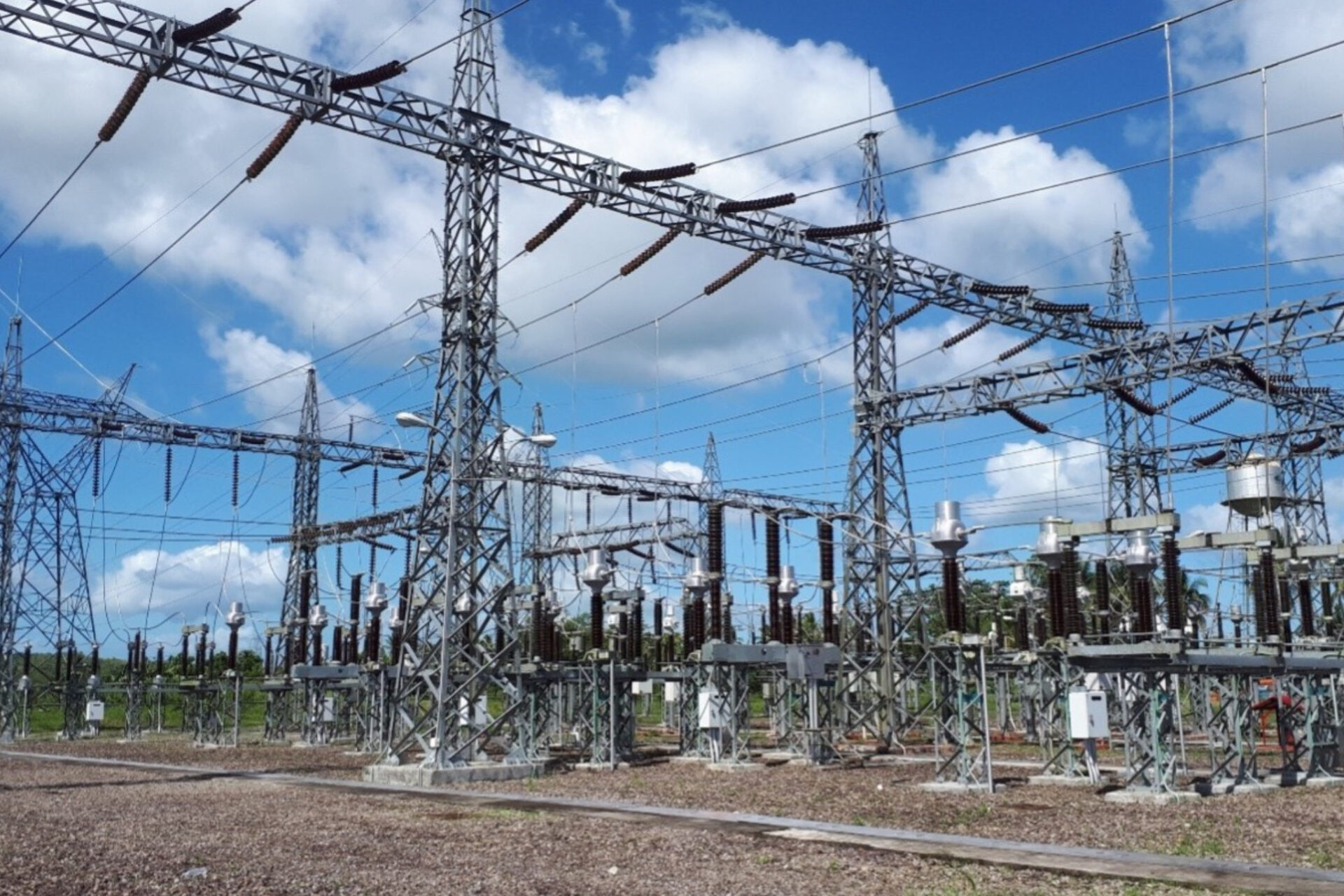
The rotating brownouts that affected Luzon and the Visayas this week exposed major weaknesses in the country’s power system, particularly its heavy reliance on key power plants, shared fuel facilities, and transmission lines.
The Institute for Climate and Sustainable Cities (ICSC) said simultaneous outages involving major transmission corridors and liquefied natural gas (LNG) plants caused available power capacity in Luzon to drop sharply on May 13 and 14.
The group warned that disruptions in shared infrastructure, such as LNG terminals and critical transmission lines, can quickly trigger widespread supply shortages and grid instability.
Red and yellow alerts were declared in Luzon and the Visayas, leading to rotating brownouts in several areas, including parts of Metro Manila.
Analysts urged the government to invest more in renewable energy, battery storage, and decentralized power systems to reduce dependence on vulnerable facilities and improve energy security.
Source: PhilNews24 | May 15, 2026
POWER INTERRUPTIONS REVEAL DEPENDENCE RISKS IN ELECTRICITY GRID





Latest from Business
More local government units (LGUs) sought loans in August, with total borrowing requests more than doubling

China Bank Savings Inc. is expanding its financial literacy programs for Filipino public school educators as
Three in five Filipino mobile users want reliable 5G connectivity wherever they go, while 36 percent
Heavy rainfall and flooding caused overall vehicle sales in the Philippines to fall 18 percent year-on-year
The Philippines reclaimed its position as the world’s second-largest banana exporter in 2025, according to the