The World Bank has urged the Philippines to prioritize full implementation of the Extended Producer Responsibility (EPR) Act and expand waste management infrastructure before imposing stricter restrictions or taxes on single-use plastics.
In a report released on June 23, the lender said an EPR-first approach, supported by investments in waste segregation, collection, recycling, and affordable alternatives, would more effectively reduce plastic pollution while minimizing impacts on vulnerable sectors.
The report estimated that the EPR Act could cut virgin plastic use, mismanaged plastic waste, and greenhouse gas emissions by 19%, 16%, and 19%, respectively, by 2040, outperforming a proposed plastic bag excise tax.
It also warned that the country’s plastic waste could more than double to 4.6 million metric tons by 2040 without further reforms, with mismanaged waste and emissions expected to rise significantly.
The World Bank recommended a phased reform strategy that includes strengthening the EPR system, improving waste management infrastructure, gradually tightening restrictions on single-use plastics, using plastic taxes as a supporting measure, and adopting waste-to-energy projects only where appropriate.
Source: PhilNews24 | June 25, 2026
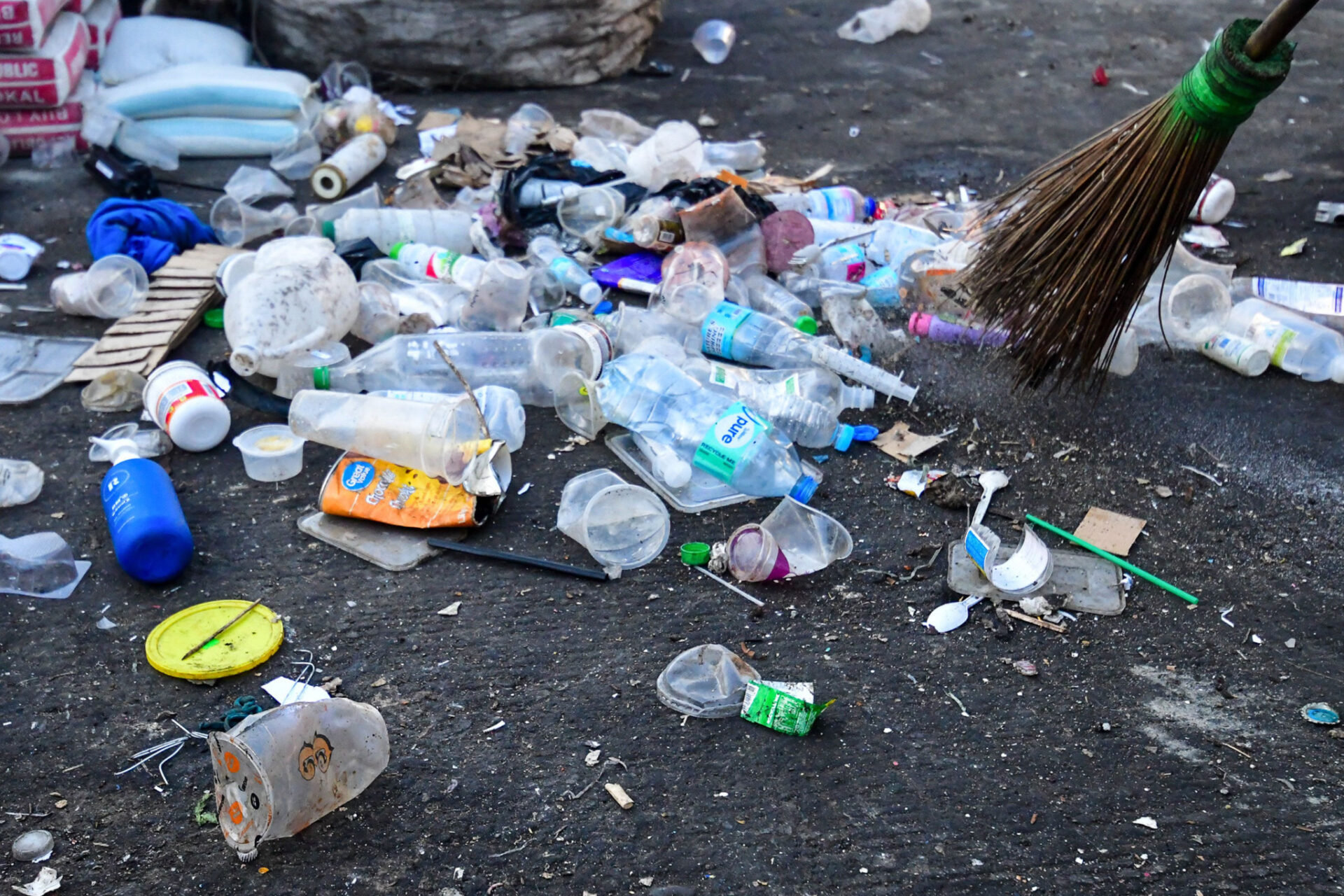
WORLD BANK ADVISES PHILIPPINES TO PRIORITIZE EPR OVER PLASTIC TAX




Latest from Business
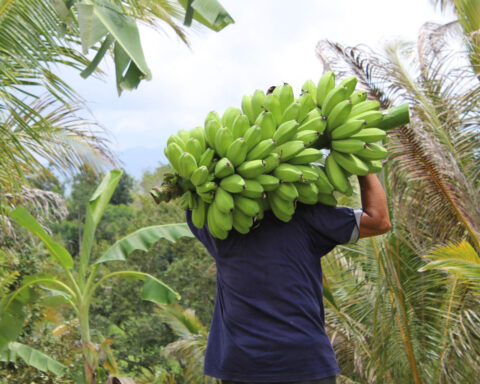
The Philippines reclaimed its position as the world’s second-largest banana exporter in 2025, according to the
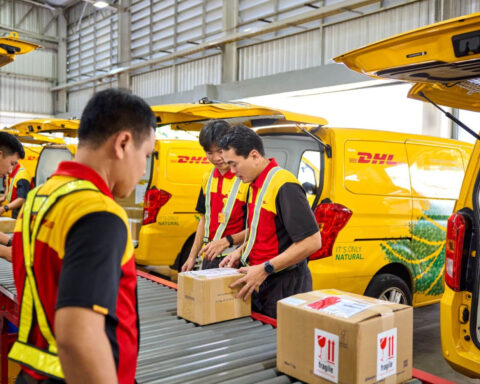
DHL Express will raise its average shipping rates in the Philippines by 5.9 percent starting Jan.
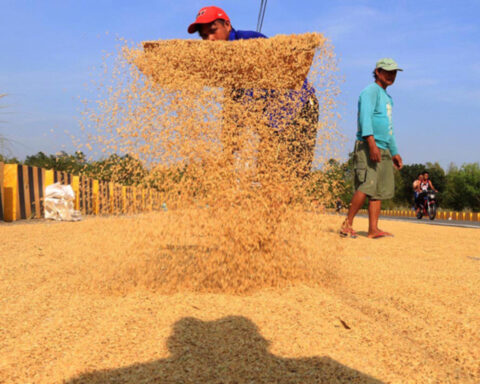
The National Food Authority (NFA) expects to miss its 790,000-metric-ton palay procurement target this year due
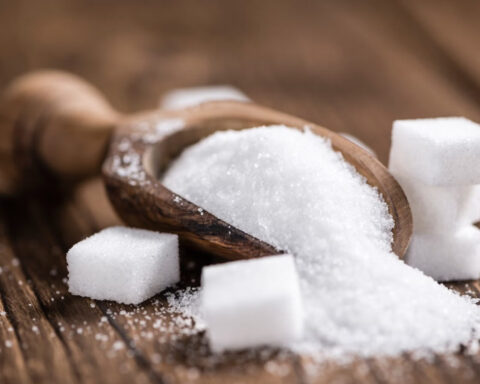
The Philippines has received an additional 9,151 metric tons raw value (MTRV) quota to export raw
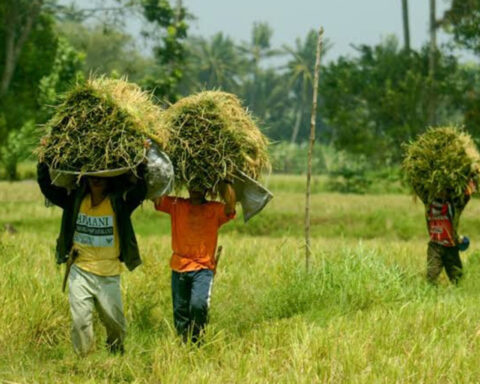
The Department of Agriculture (DA) has created a technical working group to strengthen farmers’ participation in