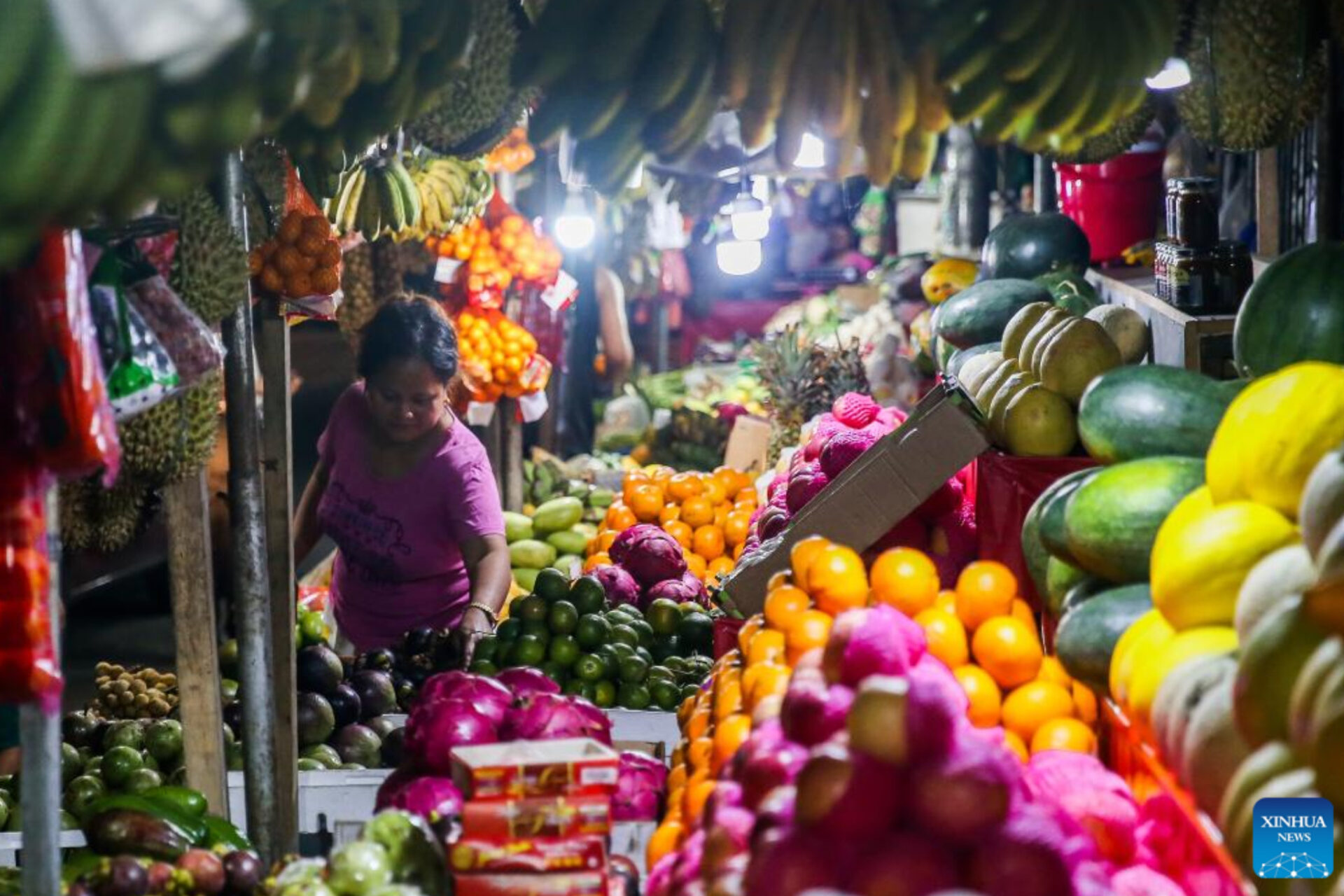
Inflation in the Philippines accelerated to 7.2 percent in April, driven by rising fuel and food prices, with rice inflation surging to 13.7 percent and continued increases in fish and vegetable costs affecting supply and affordability.
The Philippine Statistics Authority noted that higher fuel expenses have also forced many fisherfolk to limit their fishing activities, further tightening food supply amid steady demand.
Despite significant government allocations, including a P215-billion agriculture budget for 2026, many farmers and fisherfolk remain unable to access formal credit and continue to rely on high-interest informal loans.
Experts and lawmakers point to long-standing gaps in execution and risk management as banks hesitate to lend directly to the sector due to unclear systems for handling agricultural risks.
Analysts stress that sustainable reform in agricultural financing—rather than short-term subsidies—is needed to ensure access to credit, improve productivity, and strengthen food security while reducing poverty among farming and fishing communities.
Source: PhilNews24 | May 7, 2026