Rice tariff collections in 2025 plunged 60 percent to P13.7 billion due to a historic low tariff rate of 15 percent and the Department of Agriculture’s import ban from September, which cut import volumes to a four-year low of 3.48 million metric tons.
The Bureau of Customs reported that only special rice varieties like Japonica, glutinous, and Basmati were imported in the fourth quarter, generating minimal tariff revenue of P169 million.
Despite the shortfall, the government has guaranteed the P30-billion Rice Competitiveness Enhancement Fund (RCEF) for 2026, with any deficiency covered by the Department of Agriculture’s regular budget.
Vietnam remained the country’s top rice supplier last year, followed by Myanmar and Thailand, among a total of 13 countries supplying rice to the Philippines.
A flexible rice tariff scheme will take effect this year, with rates rising to 20 percent, aiming to balance local producer protection and affordable prices for Filipino consumers.
Source: PhilNews24 | January 9, 2026
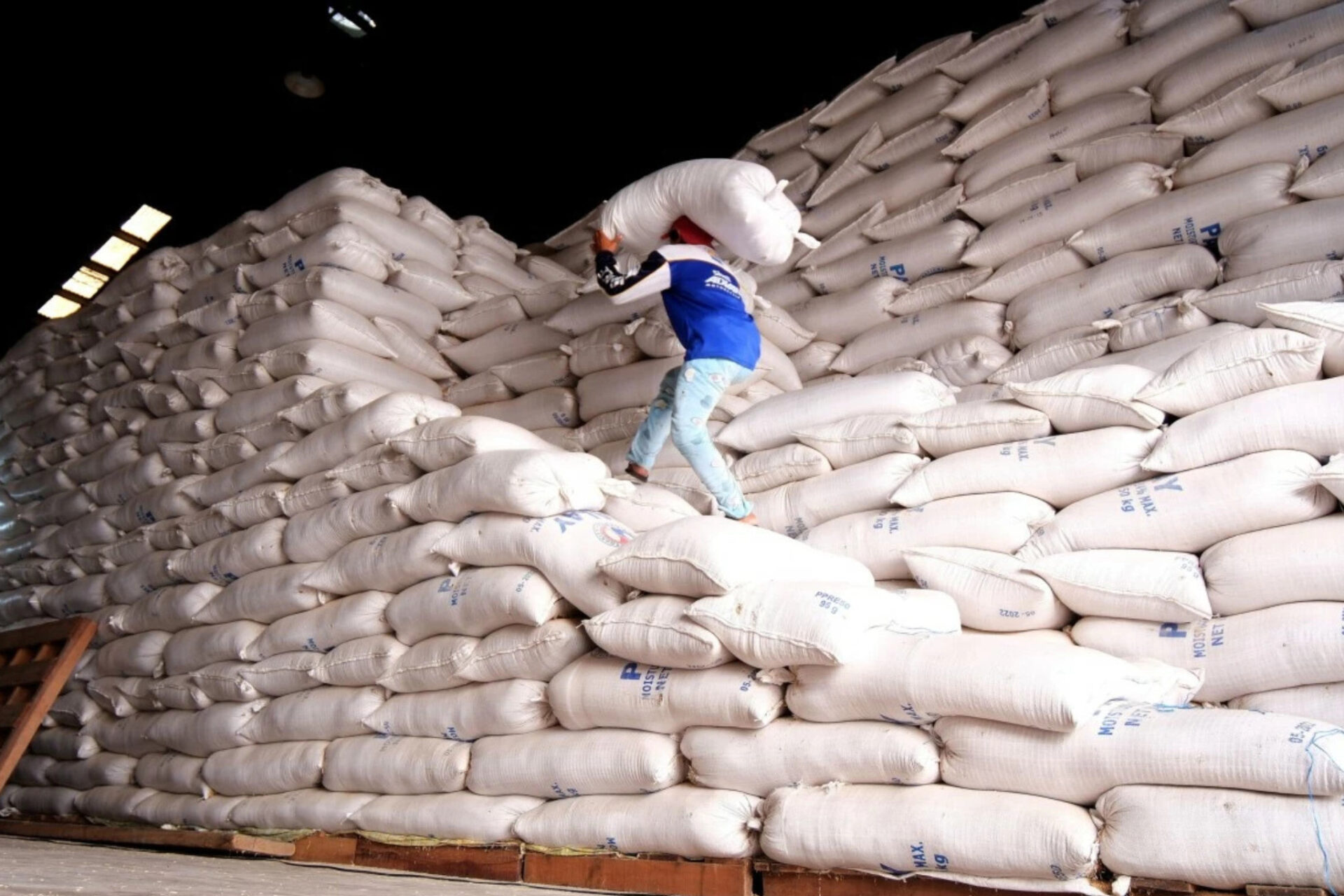
PHILIPPINE RICE TARIFF COLLECTION SLUMPS BY 60% LAST YEAR




Latest from Business
The International Energy Agency (IEA) expects coal demand in the Philippines to remain stable this year

SM Offices and Visa have signed an expansion lease that will allow the digital payments company

The Philippine Ports Authority (PPA) is strengthening ports nationwide to make them more resilient against typhoons,

Security Bank Corporation remains optimistic about its growth prospects despite global economic uncertainty and the prolonged

The Philippine government launched the final draft of the Philippines AI+ Infrastructure Masterplan 2026–2033, a $34.4-billion