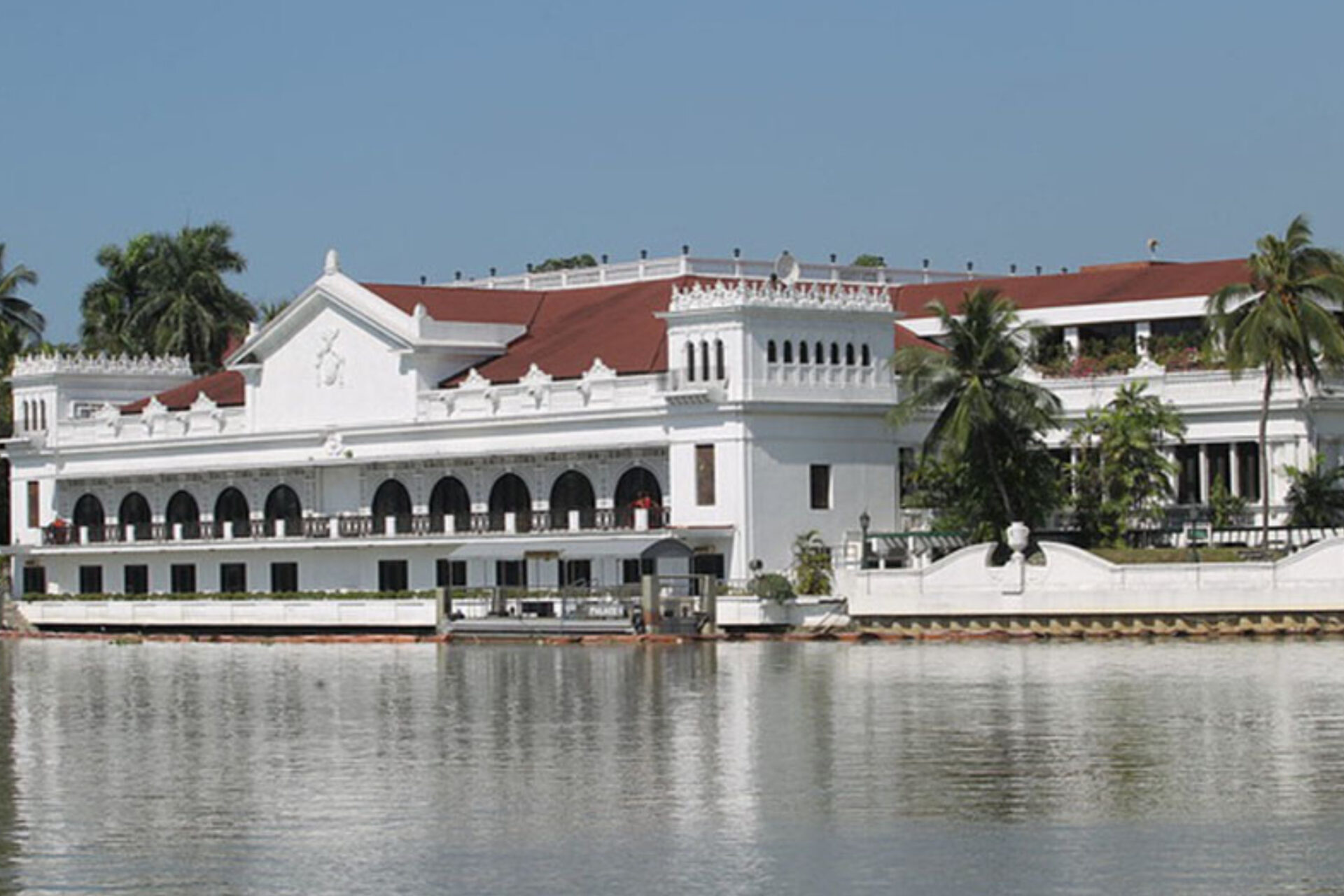
Malacañang welcomed proposals for work-from-home (WFH) arrangements to help ease the burden of rising fuel prices, but emphasized that the decision rests with private companies.
Presidential Communications Office Undersecretary Claire Castro said WFH or hybrid setups could help reduce fuel consumption and benefit workers, but the government will not dictate policies to businesses.
Labor groups have been pushing for flexible work schemes, while the Trade Union Congress of the Philippines also proposed a P5,000 monthly subsidy for minimum wage earners affected by rising fuel costs.
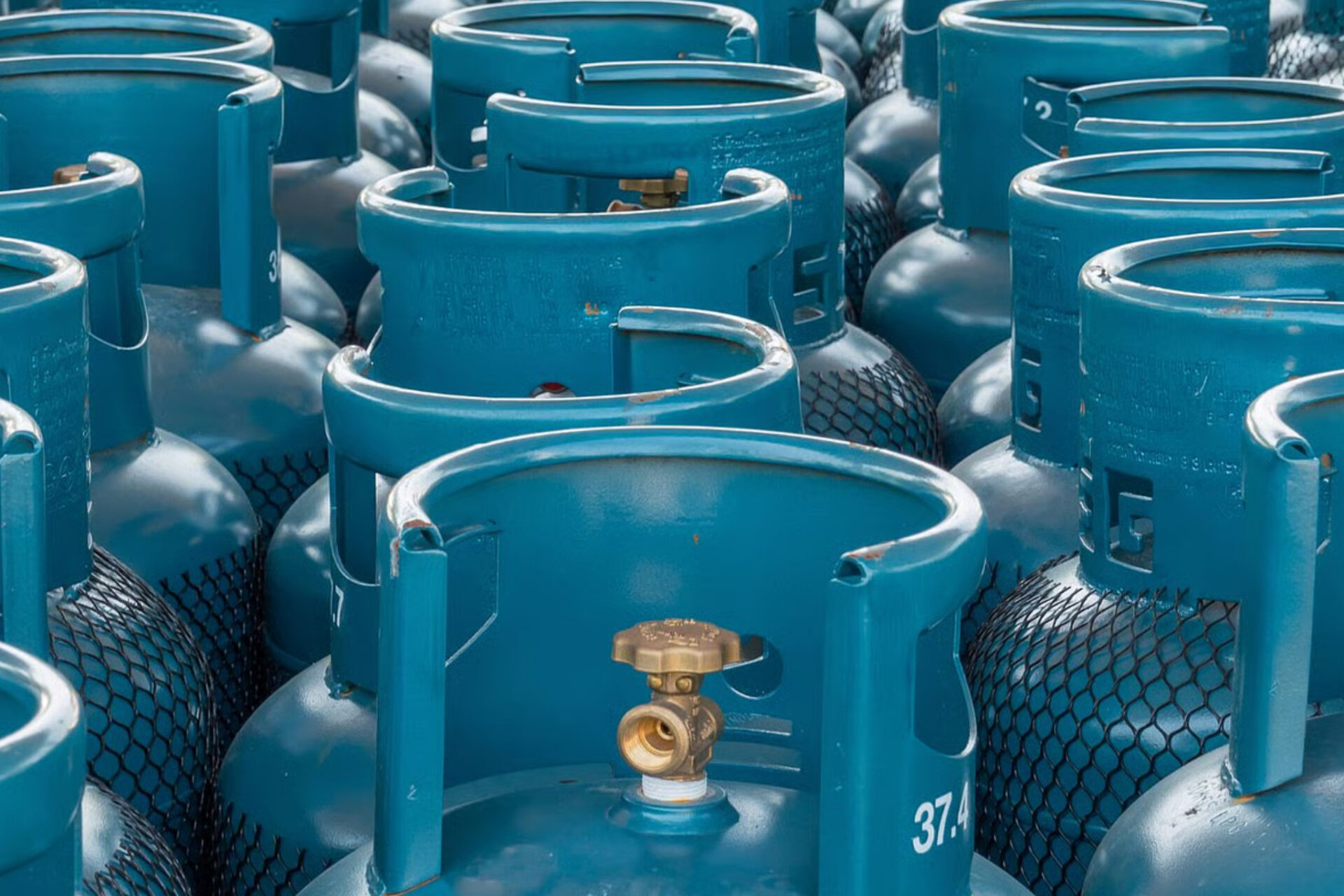
The government is implementing other energy-saving measures, including a four-day workweek, limits on air-conditioning, discounted train fares, and fuel subsidies for public utility vehicle drivers.
Analysts warned that fuel prices may continue rising amid Middle East tensions, potentially increasing transport and food costs locally.
Source: PhilNews24 | March 29, 2026