The Philippines faces systemic collapse not due to a lack of civic engineers, but because ethical and capable engineers rarely enter or survive in political leadership. Corruption, patronage, political dynasties, and disinformation have kept these experts in the shadows, leaving the country vulnerable to ghost projects and mismanagement. Civic engineers have the skills to transform public outrage into long-term institutional design, policy blueprints, and durable governance reforms, as seen in leaders like Leni Robredo, Benjamin Magalong, and Vico Sotto. To cultivate this talent nationally, the country needs political reforms, campaign finance changes, local civic academies, and protection mechanisms that allow engineers to safely enter politics. Until such systems are in place, the Philippines will continue to cycle through scandals and ineffective reform, highlighting that the solution lies in architecture, not just anger.

REBUILDING THE REPUBLIC: WHY THE PHILIPPINES NEED CIVIC ENGINEERS IN POLITICS


Latest from News

The Supreme Court of the Philippines will hold oral arguments starting April 7 on four consolidated

Around 1,500 Chinese tourists and nearly 800 crew members arrived in Boracay on Saturday aboard the

Gen. Jose Melencio C. Nartatez Jr. ordered police to strengthen coordination with coastal communities after over

The Department of Agriculture has created a food security task force to monitor disruptions in supply,
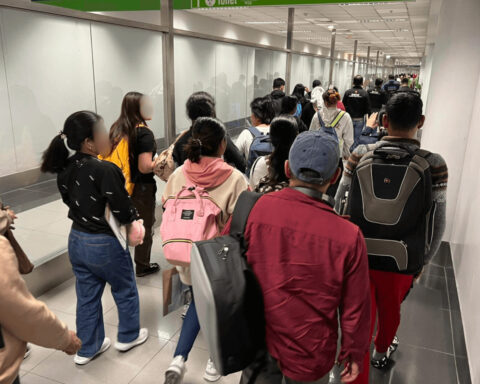
More than 40,000 overseas Filipino workers are stranded in Manila due to a deployment ban to