Rice tariff collections in 2025 plunged 60 percent to P13.7 billion due to a historic low tariff rate of 15 percent and the Department of Agriculture’s import ban from September, which cut import volumes to a four-year low of 3.48 million metric tons.
The Bureau of Customs reported that only special rice varieties like Japonica, glutinous, and Basmati were imported in the fourth quarter, generating minimal tariff revenue of P169 million.
Despite the shortfall, the government has guaranteed the P30-billion Rice Competitiveness Enhancement Fund (RCEF) for 2026, with any deficiency covered by the Department of Agriculture’s regular budget.
Vietnam remained the country’s top rice supplier last year, followed by Myanmar and Thailand, among a total of 13 countries supplying rice to the Philippines.
A flexible rice tariff scheme will take effect this year, with rates rising to 20 percent, aiming to balance local producer protection and affordable prices for Filipino consumers.
Source: PhilNews24 | January 9, 2026
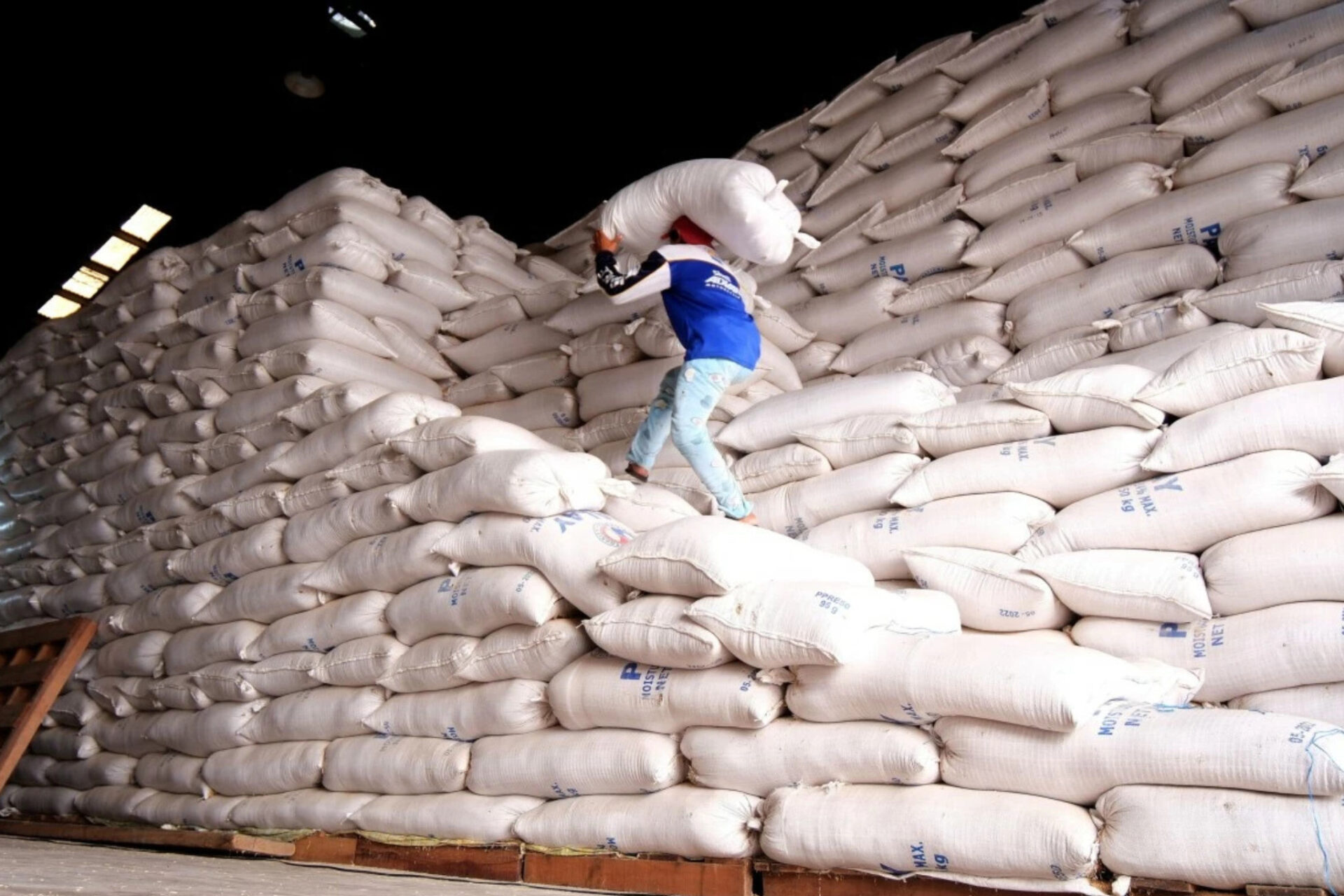
PHILIPPINE RICE TARIFF COLLECTION SLUMPS BY 60% LAST YEAR




Latest from Business
Philippine National Bank (PNB) is expanding access to government services for overseas Filipinos by hosting Social

Pru Life UK is expanding its investment-linked products in the Philippines with the launch of the

The United Sugar Producers’ Federation of the Philippines (UNIFED) urged the government to conduct cloud seeding
Philippine Airlines (PAL) will resume flights between Manila and Riyadh on April 10, adding a brief
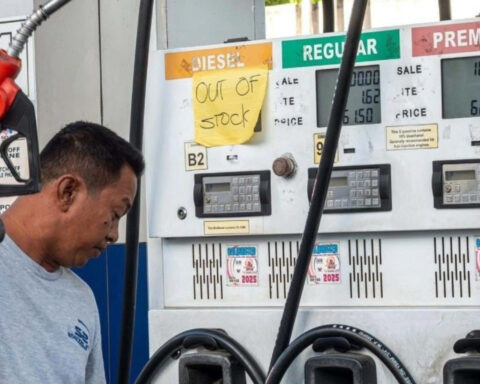
The Department of Energy (DOE) said the Philippines has a sufficient fuel supply of 50.42 days