Philippine inflation surged to 7.2 percent in September, up from 6.1 percent in August and reaching its highest level in three years.
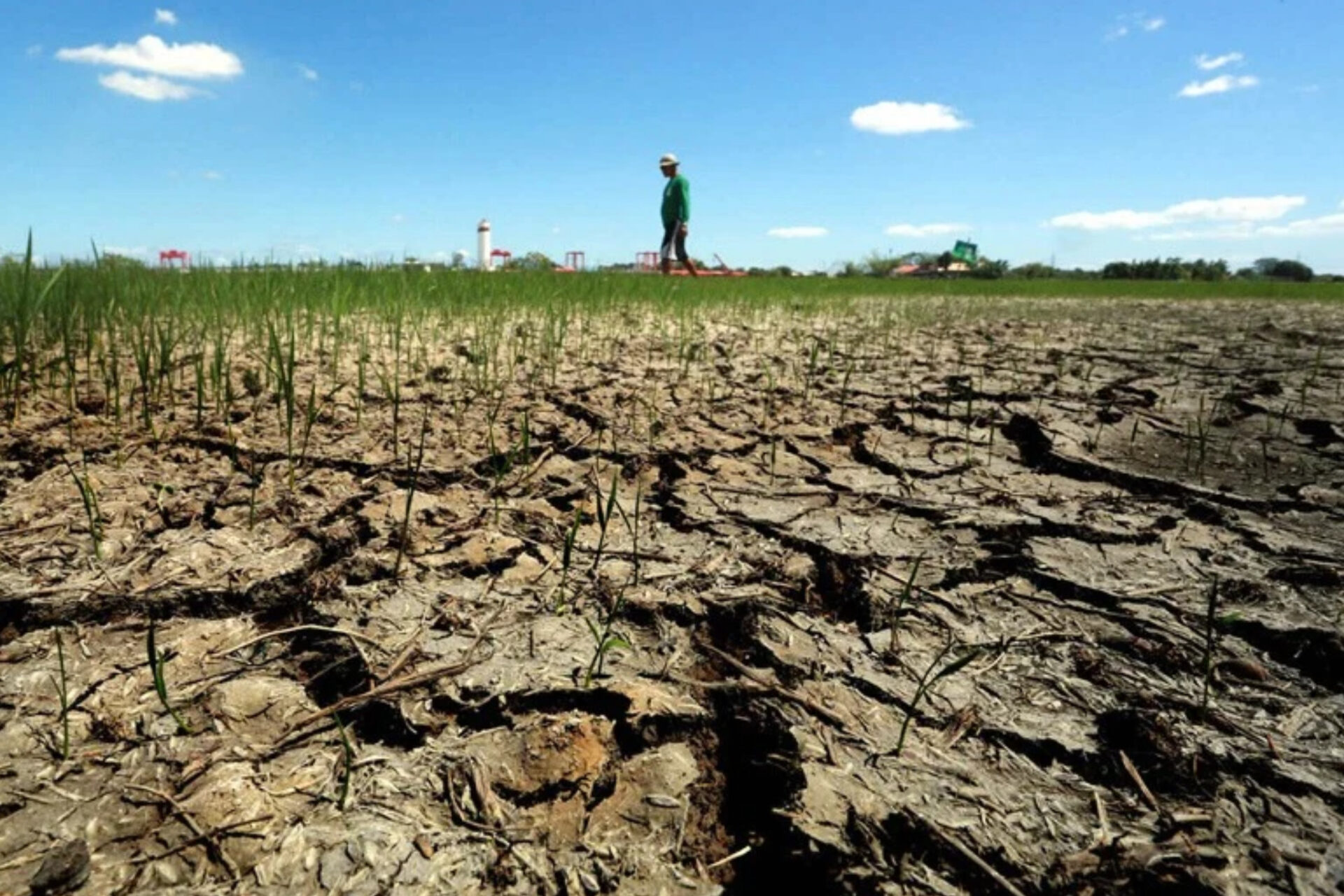
Food inflation jumped to 6.7 percent, driven by higher vegetable and rice prices following weather-related damage to crops and harvests.
Housing, utilities, and transport costs also increased, with rising electricity, cooking gas, gasoline, and diesel prices adding to inflationary pressure.
Economists warned that a possible Super El Niño, weaker agricultural output, and higher transport costs could keep inflation elevated in the coming months.
The BSP said it remains vigilant, while economists expect additional interest-rate hikes to help contain rising price pressures.
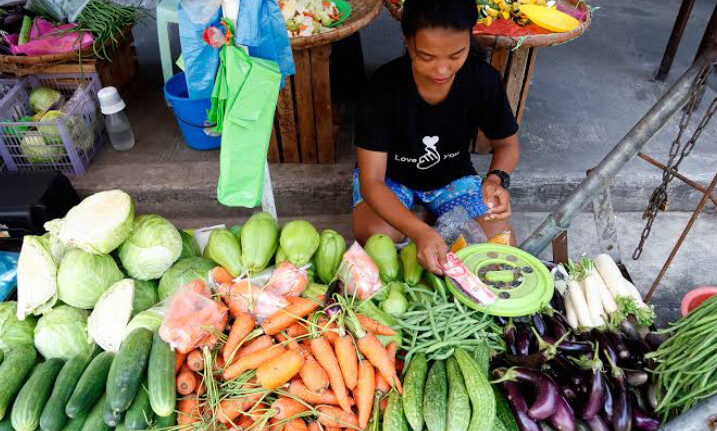
PH INFLATION SURGES TO 7.2%, HITTING THREE-YEAR HIGH


Latest from Business
More local government units (LGUs) sought loans in August, with total borrowing requests more than doubling

China Bank Savings Inc. is expanding its financial literacy programs for Filipino public school educators as

Three in five Filipino mobile users want reliable 5G connectivity wherever they go, while 36 percent
Heavy rainfall and flooding caused overall vehicle sales in the Philippines to fall 18 percent year-on-year
The Philippines reclaimed its position as the world’s second-largest banana exporter in 2025, according to the